Charlottenburg Palace (Schloss Charlottenburg) is the largest surviving palace complex in Berlin. Its state rooms, royal history and extensive gardens make it a good choice for visitors who want to see more than the city’s twentieth-century landmarks. This guide explains the Old Palace, New Wing, park, tickets, transport and a practical way to plan the visit.
Charlottenburg Palace at a glance
- Address: Spandauer Damm 10–22, 14059 Berlin.
- Highlights: Old Palace, New Wing and landscaped gardens.
- Garden admission: free; open daily from 8:00 until dark according to the palace authority.
- Palace admission: ticketed; check current options and timed entry.
- Time needed: two to four hours for palace and gardens, more for additional buildings.
- Nearest practical stop: Luisenplatz/Schloss Charlottenburg; plan your route with VBB.
Where to stay for a palace visit
Charlottenburg can be a practical base if you also want City West restaurants and shopping. Compare the exact hotel location with transport to the palace and to the central sights on your itinerary.
Why visit Charlottenburg Palace?
Berlin is often introduced through the Brandenburg Gate, the Wall and contemporary culture. Charlottenburg Palace adds a different chapter: the world of the Hohenzollern rulers, court architecture and garden design. The complex developed over several generations rather than appearing in a single building campaign. Its rooms and grounds show changes in taste, political ambition and the way a royal residence was used.
The palace is not in the central sightseeing cluster around Brandenburg Gate. Allow time to travel west. A visit can be a half-day destination, especially if you want to walk beyond the formal garden and explore the buildings in the park. If you only have an hour, a garden walk and view of the façade may be more satisfying than trying to rush through a ticketed interior.
Charlottenburg was badly damaged during the Second World War and subsequently restored. As with many European palaces, what you see today reflects both the historic design and later preservation work. Read the interpretation in each section rather than assuming every surface survives unchanged from the eighteenth century.
A short history of the palace
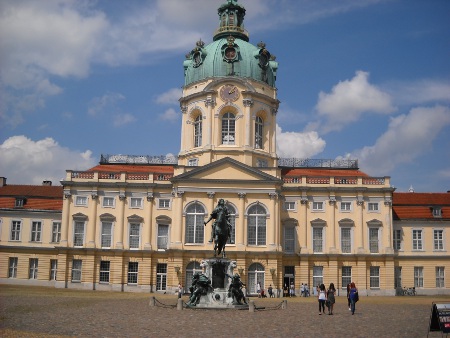
The residence grew from a late seventeenth-century country retreat associated with Sophie Charlotte, after whom Charlottenburg was named. Later Prussian rulers expanded it into a grand palace. The design changed with court fashions, producing different interiors and wings rather than one uniform style. Knowing this helps explain why a tour moves between spaces with distinct atmospheres.
After Sophie Charlotte’s death, the residence took her name. Subsequent additions reflected royal ambitions and changing ideas about representation. In one room you may focus on ceremonial display; in another, the arrangement reveals a more private side of court life. The garden likewise changed over time, so it is best seen as a layered historic landscape.
War damage, restoration and the division of Berlin shaped the twentieth-century history of the complex. Its survival and rebuilding make the palace a visible example of how the city has treated historic architecture after destruction. The site is maintained by the Prussian Palaces and Gardens Foundation Berlin-Brandenburg (SPSG), which publishes current visitor conditions.
The Old Palace
The Old Palace is the historic core. It is the place to begin if you want to understand the origins of the residence and the royal rooms. Decorative interiors, portraits and furnishings help explain how the palace worked as a setting for dynastic life. The experience is a museum visit rather than a walk through an inhabited home.
Admission is tied to the ticket category you choose. The SPSG’s combined charlottenburg+ ticket includes a fixed admission time to the Old Palace when purchased. Check whether a separate ticket or combined option best fits your plan. If you are arriving from across Berlin, leave a buffer for transport delays rather than booking a slot you can barely reach.
The app provided by the foundation offers multimedia tours in English and other languages. Downloading it before arrival can be useful; bring your own headphones, since the foundation says headphones are not available to borrow. If you prefer a guided visit, consult the current programme for language and reservation conditions.
The New Wing
The New Wing adds another view of Prussian royal taste. It is worth including if you are interested in the architecture and interiors beyond the earliest part of the palace. A separate admission ticket may be available, while the combined charlottenburg+ product covers multiple SPSG buildings in the palace gardens for a single visit on one day.
At the time of this update, the foundation lists the New Wing as normally closed on Mondays. It lists Tuesday to Sunday hours of 10:00–17:30 from April to October and 10:00–16:30 in November and December, with last admission 30 minutes before closing. Holiday arrangements and temporary changes can differ. Check the official page for the date you actually intend to visit.
Do not underestimate museum fatigue. If you have already spent a long time in the Old Palace, select a few highlights in the New Wing and leave the gardens for a change of pace. A combined ticket is useful only if you have enough time and interest to enter more than one building.
Charlottenburg Palace Gardens
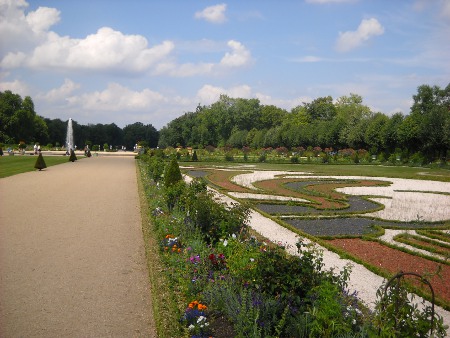
The gardens are a major reason to come, even without an interior ticket. They bring together formal elements close to the palace, wider landscape areas and other historic buildings. A walk offers different views of the façade, water and tree-lined paths. The SPSG describes the gardens as a record of around 300 years of changing garden design.
Entry to the gardens is free. The foundation currently says they open daily from 8:00 until dark. Weather, maintenance or special circumstances may affect access to particular paths. In spring and summer the planting and long daylight encourage a longer stroll; in autumn the tree colours are attractive. Winter is quieter, but the shorter day limits how much of the grounds you can cover comfortably.
Additional buildings in the grounds include the Belvedere, the mausoleum and the New Pavilion. Their access and admission are separate questions from the free garden walk; check what is open and whether a combined ticket covers the interior you want. A visitor interested chiefly in architecture may prefer the palace façade and garden, while someone focused on royal collections can allocate more time to these smaller sites.
Follow park rules and remain on permitted routes. Historic gardens are cultural monuments as well as green spaces. Some lawns and planting areas are not intended for picnics or games. If you want a more informal park outing, compare Tiergarten or our Berlin parks overview.
Tickets: which one should you buy?
The simplest choice is to decide whether you want to enter one palace section or several. The SPSG currently lists single tickets for the Old Palace and New Wing and the charlottenburg+ day ticket for a single visit to its museum institutions in the palace gardens. The listed prices can change, so use the official ticket shop for the current total and concessions.
A combined ticket is appealing if you plan the Old Palace, New Wing and at least one other building in a day. For a casual visit with limited time, a single ticket plus the free gardens may be enough. Families should compare the family-ticket conditions with individual admissions. Do not confuse entry to the free garden with admission to a palace interior.
Check the timed entry attached to your purchase. Some visitors assume a flexible day ticket means they can arrive at the Old Palace whenever they wish; the foundation says a fixed entry time is booked with the combined ticket. Keep confirmation accessible on your phone or in print and verify the correct entrance.
Palace tours and Berlin activities
If you prefer a guided visit, compare the exact palace areas, language, meeting point and admission included in a tour. The official palace ticket is also an option for independent visitors.
How to get there
The palace address is Spandauer Damm 10–22. The foundation names the Luisenplatz/Schloss Charlottenburg public transport stop for the gardens. Your best route depends on where you are staying and on current bus, U-Bahn and S-Bahn connections. Use the VBB or BVG planner for a journey to the palace rather than assuming the nearest station shares its name.
From Berlin’s central attractions, allow a proper travel margin. If you are arriving at Hauptbahnhof with luggage, consider dropping it at your hotel first. The palace offers only limited small lockers and does not allow baggage to be left in the entrance area. Large suitcases are unsuitable for a palace visit.
Paid car parking is listed by the palace authority, but public transport avoids searching for a space. If mobility is a concern, consult the SPSG’s access details for each building: the garden is listed as wheelchair accessible, while historic palace interiors can have limitations.
A practical half-day route
Arrive in the morning and begin with your reserved Old Palace entry. Continue into the New Wing if that is part of your ticket and your interest. Take a break before exploring the formal garden in front of the palace façade. Then follow the broader paths towards one smaller building or simply enjoy the landscaped grounds.
For a shorter, lower-cost outing, skip the interiors and walk through the garden. Spend time looking back at the palace from different points rather than rushing from building to building. If you enjoy parks, the gardens alone can be a worthwhile destination on a mild day.
Visitors with a full day could combine the palace with Kurfürstendamm or other City West sights. Avoid packing too much into the schedule: the palace grounds can occupy more time than expected.
Where to stay for a palace visit
Charlottenburg can be a practical base if you also want City West restaurants and shopping. Compare the exact hotel location with transport to the palace and to the central sights on your itinerary.
Charlottenburg or Sanssouci?
Sanssouci in Potsdam and Charlottenburg Palace offer related but different outings. Charlottenburg is within Berlin and easier to combine with other city sights. Sanssouci has a much larger park landscape and usually deserves most of a day, including the journey to Potsdam.
If you have only one half-day, Charlottenburg is the simpler palace choice. If you are interested in Frederick the Great and want a full palace-and-park excursion, Sanssouci may be the stronger option. Doing both on the same day would leave little time for the interiors.
Frequently asked questions
Are the gardens free?
Yes. The SPSG lists free entry to Charlottenburg Palace Gardens. Interior palace visits require tickets.
Is the palace open on Mondays?
The New Wing is normally closed on Mondays. Check the official schedule for each building and holiday exceptions.
How long should I allow?
Two to four hours is a useful estimate for an interior visit and garden walk. Add time if you want several smaller buildings.
Do I need a timed ticket?
The combined charlottenburg+ ticket includes a fixed Old Palace entry time. Check the conditions of whichever ticket you select.
Can I visit with a wheelchair?
The gardens are listed as accessible, while historic interiors have varying conditions. Consult the palace authority’s detailed access information before travelling.
Charlottenburg Palace is most rewarding when you give both the rooms and the gardens enough time. Choose your ticket around the specific buildings you want to enter, then leave space for an unhurried walk outside.