 Posted by
 The Dahme is a river and lake-like waterway in southeast Berlin. It meets the Spree beside Köpenick’s historic centre and continues south past Grünau towards the Brandenburg lakes. For travellers who know only Museum Island and the government quarter, the banks of the Dahme reveal a quieter side of the city: boating clubs, broad water, wooded shores and old Köpenick. This guide explains where to go, what to expect and how to plan a day trip.
- Area: Köpenick and Grünau in Berlin’s southeast.
- Best first stop: Köpenick old town near the meeting of the Dahme and Spree.
- For broad water: Langer See and the Grünau shoreline.
- Activities: riverside walks, scheduled boat trips and water sports where permitted.
- Allow: a half-day for Köpenick or a full day for a wider lake excursion.
Where is the Dahme?
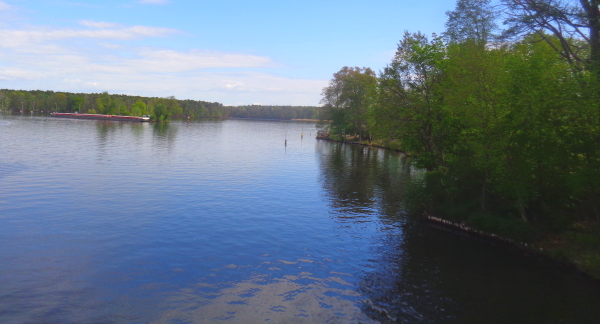
The river rises in Brandenburg and flows north through a chain of waters before reaching Berlin. Near Köpenick it joins the Spree. Some of its stretches are so wide that visitors may think they are looking at a lake rather than a river. Names such as Zeuthener See and Langer See describe parts of the broader water landscape. Canals and adjoining lakes form a network used by passenger boats, recreational craft and water sports clubs. The exact shape is easier to understand on a map than from any one bank.
Do not confuse the Dahme with the town of Dahme in Brandenburg or with the Dahme district name elsewhere. For tourists based in central Berlin, the practical area is usually Köpenick and Grünau. A short sightseeing cruise from Friedrichstraße on the central Spree normally does not reach here. Plan the southeast as a separate trip if you want to spend time on these waters.
Köpenick: the best place to begin
Köpenick old town occupies an island setting near the confluence of the Dahme and Spree. The historic streets, waterside views and Köpenick Palace make a coherent first visit even if you do not board a boat. Walk through the centre, cross a bridge and look back at the river meeting. This is a very different perspective from central Berlin: smaller buildings and the water are more important than government monuments. The area has cafés and restaurants, but opening hours vary and should be checked if a particular venue matters.
Köpenick Palace stands on an island in the Dahme and is often described as a water palace. Its museum exhibitions and opening times are separate from the free public views of the building and water. Check the museum operator’s current information if you intend to enter. A casual walk around the old town and palace surroundings can fill one to two hours; a museum visit or long lunch extends that easily.
The Captain of Köpenick story is closely associated with the district. In 1906 Wilhelm Voigt impersonated a military officer and took control of the town hall, an episode that became famous as a satire of obedience to uniforms. You do not need to know the story to appreciate the waterfront, but it helps explain why Köpenick appears so frequently in Berlin culture. Combine this local history with a look at the Dahme to make the excursion more than a boat ride.
Grünau and its rowing heritage
South of Köpenick, Grünau has a long association with rowing and sailing. Its regatta course and boathouses developed on the Dahme, and the area remains connected to water sports. The shoreline is attractive for a walk, although clubs and private plots mean you cannot follow every metre directly at the water. A public transport journey to Grünau followed by a carefully chosen riverside route works better than expecting one continuous promenade.
Berlin’s Water Sports Museum in Grünau provides context for the history of rowing clubs, boatbuilding and competition on these waterways. If the subject interests you, check its current opening arrangements and exhibition schedule before travelling. Even without a museum visit, the long view over the water helps explain why this part of Berlin became a sporting centre. Watch from a safe distance where training or boat traffic is underway.
For visitors who prefer a quiet outing, Grünau often feels less hectic than the central river. Its appeal is not a single must-see monument but the combination of waterfront, local history and green space. Weather matters more here: an overcast or windy day can make exposed banks less inviting, and seasonal food and boat services may be limited.
Langer See and the connected lakes
The Langer See is an elongated water body in the Dahme system. It stretches south from the Köpenick area and connects with other lakes and waterways. From a passenger boat, the transition between river and lake may be more apparent through the widening views than through a sign marking a boundary. The surrounding shores alternate between settlements, wooded sections, water sports facilities and landing places. It is a good destination if you want open water rather than the narrower urban Spree.
The broader network includes Zeuthener See and connections towards Seddinsee and other lakes. Routes are not all interchangeable; a boat trip may follow only part of the system, and operators can change itineraries with the season or water conditions. Read the route map when choosing an excursion. Our Berlin boat tour guide compares central cruises and lake outings. The Wannsee and Havel lie in the southwest and are a different day-trip area.
What can visitors do on the Dahme?
Take a scheduled boat excursion
A passenger boat is the easiest way to see several stretches of water without arranging equipment. Some excursions begin around Treptow or Köpenick and continue towards Müggelsee or other eastern lakes. Not all routes follow the Dahme for a long distance, so compare the itinerary and embarkation point. Timetables can be seasonal, and the return time matters if you intend to stop en route. A shorter central Spree cruise offers Berlin landmarks but should not be sold as a Dahme excursion.
Rent a boat or paddle
Boat rentals in Treptow-Köpenick include different craft, from kayaks and rowing boats to motorised options where available. Some boats require a licence, while others do not; the rental company will specify the rules, safety equipment and permitted operating area. Ask about wind, weather, return time and navigation restrictions. The water is shared with larger vessels, so beginners should choose a suitable route rather than heading straight into the busiest channel.
Walk by the water
For a lower-cost outing, combine Köpenick old town with selected public paths along the banks. Bridges and side streets give different views without needing a perfectly continuous waterfront trail. In Grünau, choose a walk based on public access and return transport. The network of canals and lakes makes distances deceptive: two points close across the water may require a much longer land route. A map is useful before setting out.
Check the departure pier and full route. A central Spree cruise is useful for a first overview; eastern lake trips suit visitors planning more time around Köpenick.
Browse Berlin boat trips and activities · See the classic central Spree cruise
Getting there from central Berlin
Köpenick and Grünau are served by Berlin’s rail and tram network, but the most convenient stop depends on the particular bank or pier. Use a live BVG or VBB route search for the exact address rather than entering only the river’s name. From the centre, plan enough time for the journey to the southeast and the walk from the station. A boat landing may be some distance from the rail stop, and two jetties with similar names may be on different sides of the water.
If you have only an hour between central sights, the Dahme is too far away for a meaningful visit. For a half-day, focus on Köpenick old town and its waterfront. With a full day, add a scheduled cruise, Grünau or a lake walk. Combining all of these without checking seasonal timetables can result in long waits, so choose one main activity and let the others be optional.
When to go and what to bring
Late spring to early autumn generally offers the widest choice of outdoor activities. The waterside is pleasant outside summer as well, particularly for a walk around Köpenick, but boat services may be reduced. Check the forecast: wind can make a long open-water trip cooler than a city-centre walk. Take a layer for the boat and sun protection on exposed summer decks. If you rent a craft, follow the operator’s safety instructions and check whether a deposit or identification is required.
Swimming requires a suitable designated area and attention to current water-quality information. Do not treat a busy navigation channel or an attractive-looking quay as a bathing place. Families should keep children close near open edges and landing stages. Cycling can extend a riverside trip, but use marked routes and respect pedestrians on narrow paths.
A sample half-day itinerary
Arrive in Köpenick in the morning and walk into the old town. Spend time around the palace island and the bridges overlooking the confluence. Stop for lunch, then either take a prebooked boat trip that actually covers your chosen waterway or continue to Grünau by public transport for a separate view over the Dahme. Check the return route before you leave the centre. This plan balances history and landscape without assuming every service runs daily.
For a quieter day, skip the boat altogether and explore Köpenick on foot. If the water is your main interest, reverse the order: choose the cruise first, confirm its departure and return pier, and fit the old town around it. Travellers staying in the southeast may find a second outing worthwhile, whereas most first-time visitors to Berlin will probably prioritise the historic centre before making this trip.
Central Berlin gives you more choices for a first visit; Köpenick can be a quieter base if the waterways are your priority. Compare travel times to your planned stops.
How the water landscape differs from central Berlin
Central Berlin’s Spree is bordered by many monuments and embankments. On the Dahme, water is often the main attraction rather than a backdrop to famous buildings. The wide Langer See, long lines of boats and club buildings around Grünau give a sense of the city’s recreational geography. This difference also affects planning: there may be fewer obvious cafés and museums at a random point on the shore, so identify a specific walk, pier or old-town stop before travelling.
At Köpenick, the confluence brings these two versions of Berlin together. A walk along the old town lets you see boats using the water while remaining close to historic streets and public transport. South towards Grünau, the banks can feel more open. Neither area needs to compete with Museum Island. They answer a different question: what does Berlin look like when its lakes and water sports, rather than its capital-city institutions, define the day?
Planning for different travellers
For a first-time visitor with only a weekend, the Dahme may be an optional excursion after the central sights. A returning visitor can build an entire day around Köpenick and Grünau. Families may prefer a shorter waterfront walk and a scheduled passenger boat to a self-hire craft. Keen paddlers or sailors should research local rental rules and weather in detail. Travellers with limited mobility should check the route from station to pier and the boarding arrangements, which vary by provider and water level.
Even a simple lunch decision benefits from planning. A café in old Köpenick is more predictable than searching along an unfamiliar stretch of shoreline. Bring drinking water for a longer walk and note where you can turn back by public transport. If you are photographing boats, respect club property and avoid blocking launch areas. The setting is an active waterway used by residents, not an open-air attraction designed entirely for visitors.
Frequently asked questions
Does the Dahme run through central Berlin?
No. The tourist stretch is in the southeast near Köpenick and Grünau. The Spree is the river most visitors see beside Museum Island and the Reichstag.
Is the Dahme a river or a lake?
It is a river. Several broad stretches are named as lakes, which is why the landscape can look lake-like from a boat or shore.
Can I reach Köpenick without a car?
Yes. Berlin public transport serves Köpenick and the surrounding area. Search for your exact destination or pier for a reliable route.
Is a short Spree cruise enough to see the Dahme?
No. Central cruises generally cover different sections of Berlin. Check specifically for a Köpenick or eastern lakes route if you want to explore the Dahme system.