The Havel shapes western Berlin. It passes wooded shores, broad lakes and small ferry crossings before continuing towards Potsdam and the Elbe. For visitors, its appeal is different from the busy Spree in the city centre: here a day can include a lakeside walk, a public ferry, a boat trip or a stop at Peacock Island. This guide explains the main areas along the Havel in Berlin and how to plan an excursion.
The Havel in Berlin at a glance
- Where: western Berlin, including Spandau, the Tegel area and the Wannsee landscape.
- Best starting points: S-Bahn Spandau or S-Bahn Wannsee, depending on your destination.
- Activities: waterfront walks, public ferries, boat trips, cycling and selected bathing areas.
- Allow: half a day for one location; a full day for a longer Havel excursion.
- Important: the Havel is a river and connected water landscape, not a single sight with one entrance.
Where does the Havel flow in Berlin?
The Havel is a tributary of the Elbe. In Berlin it follows a broad, winding route through the western part of the city, forming or connecting several lake-like stretches. The Spree joins it at Spandau. This confluence helps explain why waterways were important for trade and transport long before leisure boats became a familiar sight.
Looking at a map, visitors may find the river harder to follow than the Spree. The water widens into lakes, narrows again and branches around islands. Names such as Tegeler See and Großer Wannsee identify sections of the wider water system. A trip to “the Havel” therefore needs a more precise destination: Spandau for the confluence and town centre, Wannsee for ferries and excursions, or Glienicke Bridge for history and a Potsdam connection.
Distances are considerable. A short city-centre cruise on the Spree does not automatically visit the Havel lakes; check the route before booking. Conversely, an excursion starting at Wannsee may focus on wooded shores rather than the central Berlin landmarks.
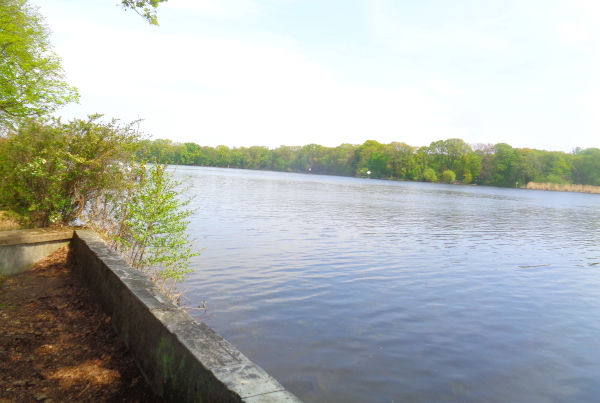
The Havel at Spandau
At Spandau, the Spree flows into the Havel. This is a useful place to understand the relationship between Berlin’s two best-known rivers. The historic town centre, station connections and waterfront allow you to combine a walk with a look at a district that feels different from central Mitte. The water is part of a working navigation network as well as a landscape for recreation.
If you have only a few hours, start around Spandau’s old town, walk towards the riverside and use bridges to view the waterways. Watch for commercial vessels as well as passenger boats. The confluence can be a worthwhile stop for visitors interested in geography or the city’s infrastructure, even if they do not take a cruise.
For a longer outing, choose a route along the water rather than trying to walk the entire Berlin section. Riverbanks vary: some have promenades, others run through more natural or less direct landscapes. Check a current map before setting out, particularly if you need a level, continuous path.
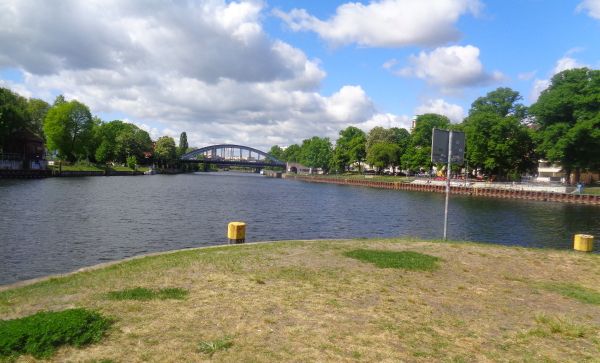
Lake Tegel and the northern Havel
Lake Tegel lies in Berlin’s northwest and is connected with the Havel system. Its shores offer a less central outing, with opportunities for walks and views across the water. The area is different from the classic Museum Island or Brandenburg Gate itinerary, making it suitable for a second or third day in Berlin when you want more open space.
Do not assume every section of shoreline is public or suitable for swimming. Choose official access points and designated bathing areas, and check water-quality notices when planning a swim. Boat routes and seasonal services can change. A simple walk can be the more flexible choice if you are visiting outside the main excursion season.
The northern waters also connect with smaller settlements and ferry crossings. For a trip built around a particular ferry, consult the current timetable before leaving: frequency and operating seasons may differ from the familiar inner-city transit lines.
Wannsee: the easiest Havel day trip for many visitors
Wannsee is one of the most convenient gateways to the Havel landscape. S-Bahn Wannsee provides a clear starting point, and the waterfront offers a choice of public transport, walks and commercial boat excursions. The name is used for a neighbourhood and for connected bodies of water, including the Großer Wannsee. It is worth checking the exact departure point if you have booked a boat.
The public ferry F10 runs between S Wannsee and Alt-Kladow. It can turn a journey across the water into part of your day rather than simply a transfer. Check the BVG timetable and ticket validity before travelling; it is a public transport ferry, not the same product as a narrated sightseeing cruise. On a pleasant weekend, arrive with enough flexibility for possible demand.
For a beach day, research a designated bathing place such as Strandbad Wannsee instead of treating every Havel bank as a swimming spot. For a quieter excursion, use the area as a starting point for a walk or a route towards Peacock Island. The combination of S-Bahn and ferry can work well for visitors without a car.
Peacock Island and the southwestern shore
Peacock Island (Pfaueninsel) is a distinctive destination in the Havel near Wannsee. Its landscaped grounds and historic buildings make it a separate outing from a general lakeside walk. Access is by a dedicated ferry, and opening arrangements for the island and buildings can vary. Check official visitor information before planning a visit around a specific palace interior.
The nearby shore also connects to the wider landscape of historic parks and palaces shared by Berlin and Potsdam. You can build a day around one main destination rather than stacking several distant stops. A walk by the water, ferry to the island and time on the grounds may already fill much of an afternoon.
Nature is part of the attraction. Follow marked paths, respect protected areas and keep a suitable distance from wildlife. The experience is more rewarding when treated as a relaxed excursion than as a quick photo stop.
Glienicke Bridge and the Potsdam connection
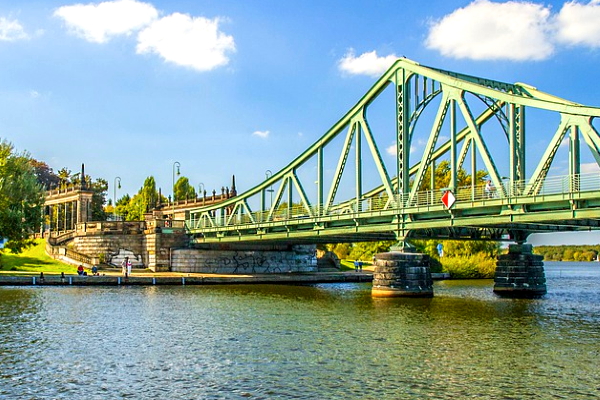
Glienicke Bridge crosses the Havel between Berlin and Potsdam. During the Cold War it became known for exchanges of spies between East and West. The history attracts visitors, but the views over the water and surrounding park landscape are also reasons to stop. If you are already travelling to Potsdam, the bridge can help connect the historical story with the geography of the region.
Do not confuse a visit to the bridge with a complete Potsdam tour. Nearby palaces, parks and viewpoints require additional time and travel. Public transport and walking routes should be planned with the particular side of the bridge you want to explore in mind.
Stay near the Havel
Wannsee and Spandau offer different bases for a waterside stay. Compare journey times to the centre and the station nearest your accommodation. A hotel with “Havel” in its description may still be some distance from a ferry landing or bathing area.
Boat trips on the Havel
Commercial cruises depart from several locations and follow different routes. Some explore the lakes around Wannsee, while others serve the northern Havel. Before booking, compare departure point, duration, route, commentary language, return location and whether you can get off along the way. A short cruise in central Berlin is often a Spree trip and may never reach the landscapes described here.
A two-hour lakes tour from Wannsee can be a reasonable choice if you want to see several waters without managing multiple transfers. Other routes take longer and may combine Potsdam landmarks with the Havel. Weather can affect the experience, and seasonal timetables change, so inspect the specific sailing rather than relying on a general description.
If your budget is limited, the F10 ferry is a useful way to spend time on the water with a public transport journey, although it does not provide the route or commentary of a sightseeing cruise. A riverside walk offers another inexpensive alternative.
Compare Berlin boat trips
Look closely at the map before selecting a tour. For the Havel lakes, choose a departure around Wannsee or a route that explicitly names the Havel. The old one-hour city-centre cruise below is a separate Spree outing and suits a different day.
Another option: one-hour central Berlin cruise
If you also want to see the government district and Museum Island from the water, this separate cruise follows the Spree in central Berlin. It is not a Havel lakes trip. Check the current departure, itinerary and price before booking.
Walking and cycling along the river
The Havel is better explored in sections than end to end on a short city break. Around Wannsee, routes lead through wooded stretches and towards historic sites. In Spandau, shorter waterside paths combine with the old town. Cyclists can cover more ground, but should check surfaces, ferry schedules and whether a route crosses busy roads.
Carry water on longer stretches, especially in summer. Places to buy food may be separated by woodland or residential areas. If you want a level route, research a specific promenade rather than assuming that every shoreline trail is paved. The most direct way between two Havel sights may be by public transport rather than along the water.
For a first visit, select a start and finish accessible by rail or ferry. This avoids a long return walk when you have already spent time at a lake or palace. The S-Bahn is particularly useful for Wannsee and Spandau.
Swimming and boating safety
Open water is attractive in warm weather, but choose designated bathing sites and read current notices about water quality. Boats, shipping channels and changes in depth make an arbitrary riverbank a poor place to enter the water. Respect signs around protected shorelines and private moorings.
For a hired boat, follow the operator’s route and safety rules. Wind and weather can be more noticeable on the broad lakes than on a sheltered canal. If you are simply sightseeing, a scheduled ferry or cruise removes much of the planning, though you still need to verify the timetable and boarding point.
Three simple Havel itineraries
Half day at Wannsee
Travel to S Wannsee, walk to the waterfront and choose either the F10 ferry or a lakeside walk. Have a meal nearby and return by S-Bahn. This plan works without a booked cruise and leaves room to adjust for the weather.
History and landscapes
Travel towards Glienicke Bridge, take time to read about its Cold War role and continue towards the surrounding parks or Potsdam. Allow a full day if you add a major palace. The bridge itself is a short stop; the surrounding sites make the trip.
Spandau and the rivers
Start in Spandau, explore the old town and seek out views of the Spree-Havel confluence. This is a good option when you want to understand Berlin’s waterways without committing to a boat excursion.
Frequently asked questions
Does the Havel flow through central Berlin?
No. It runs through western Berlin. The Spree crosses the central sightseeing area and joins the Havel at Spandau.
Is Wannsee part of the Havel?
The Wannsee waters belong to the connected Havel landscape. The river widens into lake-like stretches, so names on maps can be confusing.
Can I take a public ferry?
Yes. BVG’s F10 connects S Wannsee with Alt-Kladow. Check the current timetable and applicable ticket before departure.
Where should I go for a first Havel visit?
Wannsee is convenient for a ferry or lakes tour. Spandau is useful for seeing where the Spree enters the Havel. Choose according to whether you prefer scenery or river history.
Is a central Berlin cruise a Havel tour?
Usually not. Many one-hour sightseeing cruises focus on the Spree. Check the route map and departure point before buying.
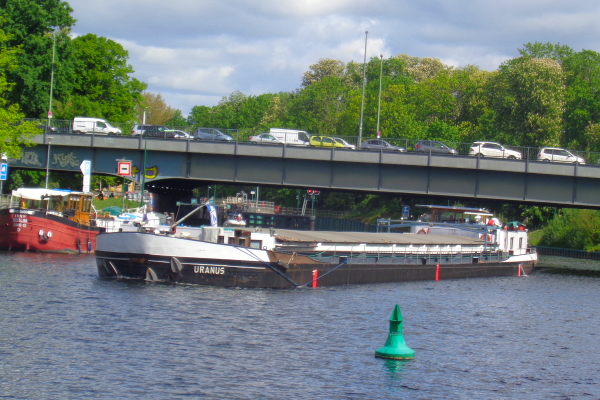
The Havel adds a different side to a Berlin trip. Choose one section, allow time for the journey west and decide whether a ferry, walk or cruise best fits the day. The views and pace are distinct from a quick circuit of central landmarks.