Sights, Museums and Practical Tips
Berlin is a city for very different kinds of trips. You can spend a day walking between major landmarks, devote several days to museums and twentieth-century history, or explore parks, lakes and neighbourhoods beyond the centre. This guide helps you choose a route that fits your time and interests. It connects our detailed articles on Berlin’s attractions with practical advice on transport, accommodation, tickets and day trips.
At a glance
- For a first visit, start with the Brandenburg Gate, Reichstag area, Unter den Linden and Museum Island.
- Choose a few museums or activities that genuinely interest you; Berlin has too much to cover in one trip.
- Most central journeys use the Berlin AB fare zone. BER Airport and Potsdam are in zone C.
- Compare hotel locations by transport connection as well as room price.
- Check current opening hours and ticket conditions before travelling.
Where should a first visit begin?
A useful first route starts near the Brandenburg Gate. From there, you can explore Pariser Platz, walk towards the Reichstag and continue through the government district. These places are close enough to connect on foot, although a visit inside the Reichstag requires separate planning. The gate is an easy starting point because it links several periods of Berlin’s history without requiring an admission ticket.
Continue along Unter den Linden if you want a classic central walk. The boulevard leads towards Museum Island, with museums, historic buildings and riverside views along the way. This is an orientation route rather than a checklist: stop where your interests lead you. If you want to understand the layout before walking, a short Spree boat tour or a guided city tour can provide an introduction.
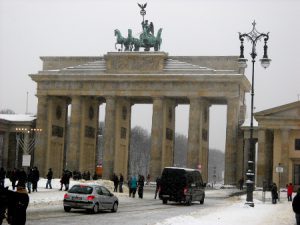
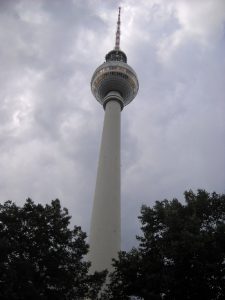
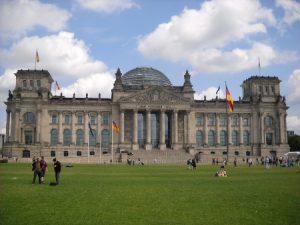
Berlin’s best-known landmarks
The Berlin TV Tower rises above Alexanderplatz and offers a different view of the city from the landmarks around the Brandenburg Gate. Nearby streets connect to the historic Nikolaiviertel and the Berlin Cathedral. You can see the cathedral from outside during a walk or plan a separate visit inside. Check the ticket and access conditions of each attraction rather than assuming that one sightseeing pass includes everything.
For another view from above, consider Panoramapunkt at Potsdamer Platz. It gives useful context to the redevelopment of this former border area. A balloon ascent is a different experience and depends more strongly on weather. Compare location, accessibility, price and the kind of view you want before buying a viewpoint ticket.
Berlin tours and attraction ticketsCompare the exact activity, date, meeting point, language and cancellation conditions. A city tour, observation deck ticket and museum admission cover different experiences.
Museum Island: choose by collection
Museum Island is a strong choice for visitors interested in art, archaeology and architecture. The Altes Museum focuses on classical antiquity. The Neues Museum presents Egyptian collections and prehistory, including the famous bust of Nefertiti. The Alte Nationalgalerie and Bode-Museum offer further, distinct collections. Choose one or two museums for a day if you want time to look closely rather than hurry through galleries.
The Pergamonmuseum is currently closed for major renovation. Its closure affects older descriptions of a visit to all the island’s principal museums. Check the official Museum Island ticket information for the museums open on your date, special exhibitions and any required time slots. A pass is useful only if it includes the collections you intend to see and you have enough time to visit them.
Other museums worth considering
Berlin’s museum choices extend well beyond Museum Island. The Museum für Naturkunde is an option for dinosaurs, biodiversity and scientific collections. The German Museum of Technology suits visitors interested in transport and inventions, while the Museum for Communication explores changing ways of exchanging information. For painting, see our guides to the Gemäldegalerie and Berlinische Galerie.
Smaller or more specialised institutions can be easier to combine with a neighbourhood walk. Depending on your interests, consider the Brecht House, the Musical Instrument Museum or the Medical History Museum. Look at the current exhibition, not merely the museum name. Temporary displays, guided tours and admission rules can substantially change the character of a visit.
Understanding Berlin’s twentieth-century history
Berlin’s twentieth-century history cannot be understood from one attraction alone. Checkpoint Charlie introduces the geography of the divided city, but the busy present-day crossing needs historical context. The DDR Museum focuses on aspects of life in East Germany. A visit to the former prison at Hohenschönhausen has a different, more serious emphasis. Read the visitor information and choose the place that answers your questions.
The former Tempelhof Airport connects architecture, the Nazi period, the Berlin Airlift and the later use of its extensive airfield. Its building tours and the open Tempelhofer Feld are separate experiences. Around central Berlin, our article on the former Führerbunker site explains another difficult historical location. Give memorials and historic places the time they deserve rather than treating them as brief photo stops between unrelated activities.
If you find an older recommendation for TimeRide Berlin, check its current status before making plans. The operator presently describes a pause in Berlin and has not announced a bookable reopening date. Our guide explains the former VR experience and suggests currently available ways to explore the period.
Boat tours on the Spree
A Berlin boat tour can help you see how the Spree connects parts of the centre. A short city cruise is particularly suitable when you want an overview without giving up much of the day. Routes, durations and departure piers differ between operators. Some trips concentrate on central landmarks; longer cruises may include canals, bridges or greener stretches. Read the exact itinerary and pier address on the ticket.
The river view is a useful complement to walking. Buildings that seem far apart on a street map become easier to place when you see their relationship to the water. A boat will not pass every famous attraction, however. The Brandenburg Gate stands inland, and a cruise past Museum Island is not an alternative to entering a museum. In cooler weather, check whether the vessel offers covered seating. In summer, allow time to find the departure point and board before the published sailing time.
Guided tours and Spree cruisesCheck the departure pier, duration and route before booking. Products described as “Berlin boat tours” can cover very different sections of the waterways.
Neighbourhoods beyond the usual central route
Berlin becomes more interesting when you leave the best-known sightseeing axis. Our district guide helps you decide where to spend an afternoon. In City West, walk along Kurfürstendamm, explore the area around KaDeWe, or visit the Berlin Zoo. The Charlottenburg Palace and its palace park offer another reason to travel west.
Different streets offer different experiences. Bergmannstraße suits a neighbourhood walk with places to eat, while the Hackesche Höfe are convenient to combine with central museums. Köpenick takes you farther from the classic tourist route. You do not need to see all of them: select one neighbourhood that fits the rest of your day and spend some time on its ordinary streets as well as its named sights.
Parks, lakes and a slower day
Berlin offers plenty of room for a day with fewer tickets. Tiergarten provides a central green break between major landmarks. Treptower Park, Mauerpark and Park am Gleisdreieck suit different parts of the city. Our overview of Berlin parks helps you find one close to your route. Check the scale of a park before planning to cross it quickly.
For a waterside outing, read about Wannsee, Schlachtensee or Lake Tegel. These places are not interchangeable: travel time, swimming options, paths and boat connections differ. A pleasant lake day depends on the season and weather. If you want a structured garden visit, consider the Botanical Garden, Britzer Garten or the Gardens of the World.
A day trip to Potsdam
Potsdam is one of the most practical trips from Berlin, but it deserves more than a quick stop at a palace gate. Potsdam’s sights include historic quarters, gardens and several palace landscapes. Sanssouci Palace and Park are a common priority. Reserve a palace interior visit according to the current ticket rules, then leave time to explore outside. A Potsdam city tour can provide an introduction if you prefer not to plan every transfer yourself.
The lakes and Havel waterways offer a second perspective. Compare Potsdam boat tours by route, season and departure pier. A cruise through the palace landscape does not automatically pass Sanssouci Palace, which is inland. From Berlin, check the fare zone for your complete journey: Potsdam lies in zone C. If you also plan palace admission, arrange the fixed entry first and fit the boat departure around it.
Getting around Berlin
Public transport is usually the simplest way to connect distant districts. The U-Bahn, S-Bahn, trams and main station serve different parts of a trip. Our tourist-card overview and Berlin WelcomeCard guide help you compare combined transport and discount products. A card is not automatically cheaper: list the journeys and attractions you will actually use.
Berlin AB covers many city sightseeing journeys. BER Airport is in zone C, so a journey between the airport and central Berlin requires an appropriate ABC ticket or another valid fare product. Potsdam also requires attention to zone C. Check a current journey planner for routes and disruption notices, particularly if you have a timed attraction ticket.
Where to stay in Berlin
For a short first visit, a hotel near a useful S-Bahn or U-Bahn connection often matters more than an address immediately beside one landmark. A well-connected room can make evenings and day trips easier. Compare the total price for your exact dates, including breakfast, local charges and cancellation terms. Berlin hotel rates change with events and demand, so an old nightly average is a weak guide. Our article on Berlin travel costs explains how to assemble a realistic budget.
Mitte can be convenient for a landmark-focused stay, but other districts may suit a different itinerary or budget. If you plan several museum days, check the journey to your chosen institutions. For a Potsdam trip, look at the rail connection rather than simply measuring the distance on a map. If you arrive late at BER, check the final connection to the hotel before selecting a room. A slightly cheaper property can be poor value when every day begins with an awkward transfer.
Hotels and accommodation in BerlinCompare the complete room price, cancellation policy and connection to the places you intend to visit.
Planning one, three or five days
One day
Choose a compact central route. The Brandenburg Gate, Reichstag area, Unter den Linden and Museum Island can give you a useful introduction, with one museum or boat trip if its schedule fits. Avoid spending the day crossing the city to collect distant landmarks. You will understand more if you leave time to walk and read about the places you see.
Three days
Use the first day for central sights, the second for museums or history, and the third for a district, park or Potsdam. This is a flexible outline rather than a fixed schedule. Reserve only the attractions for which a particular time slot matters. The rest can respond to weather and energy levels.
Five days or longer
A longer stay allows you to combine major sights with ordinary neighbourhoods. Add a palace, a lake or a specialised museum according to your interests. You can spread demanding museum visits across several days and leave space for an unplanned afternoon. Compare longer-duration transport tickets with the individual journeys you expect to make.
Before booking attractions
Read the precise product name and inclusions. A guided exterior walk may not include admission to a museum or palace; a boat tour may use a different pier from the one you expect. Verify the language, starting point, duration, accessibility and refund conditions. Look at the operator’s current website when opening hours or routes matter. Keep tickets available offline, and leave enough time between a scheduled activity and your next stop.
Berlin rewards selective planning. Choose the historical periods, collections and neighbourhoods that interest you most, then use the linked guides above for detail. You can return to the city with a different theme and have a substantially different trip.
Frequently asked questions
What should I see on my first day in Berlin?
The Brandenburg Gate, Reichstag area, Unter den Linden and Museum Island form a practical central route. Add one museum or activity if you have sufficient time.
Is the Pergamonmuseum open?
It is currently closed for renovation. Check the official Museum Island website before planning tickets around it.
Which transport zone covers BER Airport?
BER is in zone C. For a regular journey between the airport and central Berlin, check an appropriate ABC fare.
Is Potsdam possible as a day trip?
Yes. Choose a few Potsdam sights rather than trying to visit every palace and garden in one day, and check the zone C fare for the rail journey.
Do I need a Berlin tourist card?
Only if its transport coverage and discounts fit your actual plans. Compare its total cost with ordinary tickets and the attractions you intend to enter.
Other city guides
If your journey includes more German cities, see our separate Dresden travel guide. Berlin can also be combined with destinations elsewhere in Europe, but give the capital enough time to explore beyond its best-known landmarks.