Park am Gleisdreieck Berlin: Walks, Play and History covers the practical choices for a visit, including access, time and nearby places. Check current operator notices when planning a date-specific activity.
At a glance
- Free public park, open around the clock according to Grün Berlin.
- East and West Park occupy former railway land between Kreuzberg and Schöneberg.
- Wide paths, playgrounds, sport areas and traces of old tracks suit a relaxed visit.
- Gleisdreieck U-Bahn is a convenient starting point; choose an entrance for your route.
A city park on former railway land
Park am Gleisdreieck is a substantial green space shaped from disused railway grounds between Kreuzberg and Schöneberg. It opened in stages and brings lawns, play areas, sports facilities and paths into a site once inaccessible to residents. The railway setting is still present: active lines border and cross the park, while relics of earlier infrastructure appear among the planting. This is a working neighbourhood park, not a landscaped museum where every feature is behind a barrier. Locals use it for running, dog walks and meeting friends. Visitors can gain a different perspective on Berlin between major landmarks. Allow time to wander; the park’s scale and separate sections are easy to underestimate from the U-Bahn platform.
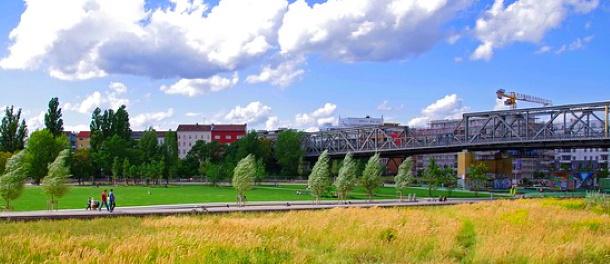
East Park and West Park
The two main sections, Ostpark and Westpark, have different characters. The East Park offers long open views, lawns and well-used sports and play zones. The West Park brings its own pathways, gathering spaces and café surroundings. Railway corridors separate portions of the site, but designated links let pedestrians and cyclists move between them. If you have only an hour, choose one side and a clear exit rather than trying to inspect everything. A longer route can link both sections and continue southward through Flaschenhalspark. Use the official entrance and service page to choose a suitable access point. Several entrances are listed as barrier-free, which helps visitors planning a step-free route.
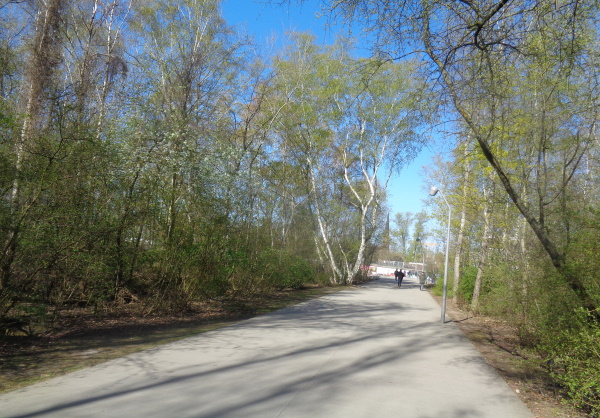
Reading the railway past
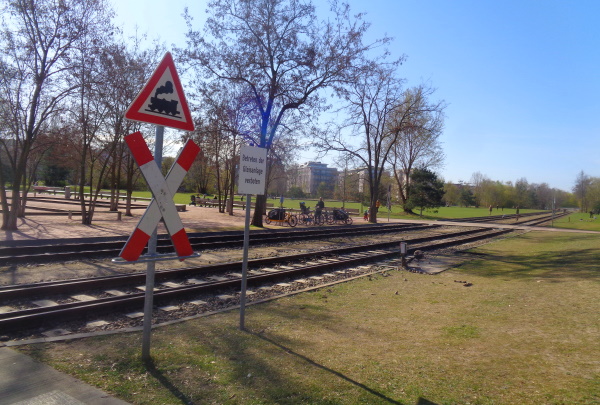
The park’s name refers to the rail junction that defined this ground. Former tracks, signals and structural fragments provide clues to the transport use without recreating a historic station. Some areas were left to develop as urban nature while other spaces were redesigned for public use. Look carefully at where a straight path follows an old alignment or a bridge crosses a corridor. The juxtaposition of trains and meadows is central to the experience. A walk can connect the history of freight traffic, divided Berlin and the long process of turning brownfield land into public space. Official interpretive material and a storywalk can add context. Never enter active railway areas or treat old infrastructure as climbing equipment.
A suggested first walk
Arrive at Gleisdreieck U-Bahn and orient yourself at the nearest park entrance. Walk through the East Park at an easy pace, pausing by the sports areas and remnants of the rail landscape. Cross by a designated connection to the West Park, stop for a café break if open and continue toward the southern paths. Finish at a convenient U-Bahn or S-Bahn station rather than retracing every step. The exact loop depends on your mobility, the weather and any temporary maintenance. If you prefer a quiet stroll, stay on the broad paths and avoid the busiest play courts. A route of 60 to 90 minutes leaves enough time to stop for photographs and to appreciate changes in the landscape.
Tours and activities
Compare the route, language and cancellation conditions before booking.
Playgrounds and family stops
Families will find play spaces, open lawns and room for children to move. The play facilities differ in age suitability, and weekends can be busy. Choose a meeting point before children head toward a playground, because several paths and lawns look similar from a distance. Bring water and a snack if your visit may extend beyond a short stop. Kiosks and cafés do operate in parts of the park, but seasonal hours change. Shade is patchy on broad open areas in summer. A pushchair route can usually use the larger paths, yet a particular shortcut may have a different surface or slope. The official entrance list helps plan a suitable arrival.
Sports, skating and shared paths
The park attracts skaters, joggers, cyclists and ball-game players alongside walkers. Dedicated facilities include a skate area, beach volleyball and other sports zones, though the exact use and availability of a court should be checked locally. On shared paths, keep to a predictable side and watch for faster traffic at crossings. A visitor who wants to watch rather than play can sit by an active area without stepping into the court. Exercise equipment and open lawns are popular in good weather. Do not assume that every patch is intended for ball games or dogs. The park serves many kinds of users, and its success depends on giving each other space.
Urban nature and seasonal changes
Alongside designed lawns, there are meadows and wooded patches where plants and wildlife have developed on former railway ground. Grün Berlin describes a balance between nature protection and recreation. The park can look very different in spring, high summer and winter; a photograph from a green June day does not describe a cold February visit. Stay on open paths around sensitive areas, especially where vegetation is being established. Birds and insects are easier to observe if you slow down rather than walking across a lawn in a straight line. This landscape is an instructive example of how an abandoned industrial site can become both habitat and public gathering place.
Free entry and opening hours
According to Grün Berlin, Park am Gleisdreieck is a publicly dedicated park open 24 hours a day with free admission. That does not mean every kiosk, playground feature or sports facility has the same operating schedule. Night-time routes may be less comfortable or less well lit than daytime walks; use normal city precautions and choose a familiar exit. Events and maintenance can also affect individual paths. Rules under Berlin’s park regulations apply to activities such as vehicles, littering and use of green spaces. The official service page identifies a designated dog area south of the U2 between a beach volleyball facility and the ICE track. If arriving with a dog, follow local signs rather than assuming unrestricted off-leash access.
How to get there
U-Bahn Gleisdreieck serves as the most obvious starting point and is linked to several lines. Depending on the section you want, Mendelssohn-Bartholdy-Park or Yorckstraße may save walking. The park has multiple accessible entrances on streets such as Möckernstraße, Yorckstraße and Schöneberger Straße. Choose the exact entrance in a journey planner, particularly if you are meeting someone on the opposite side of the rail lines. Our U-Bahn guide and S-Bahn guide explain the wider network. Coming on foot from Potsdamer Platz is possible, but check your intended distance. Cycling routes run through the area; park bicycles considerately near paths and play zones.
Food, toilets and comfort
Food choices in or near the park range from seasonal kiosks to a café in the West Park and businesses on the surrounding streets. Do not rely on one particular vendor being open on a rainy winter afternoon. Use the park operator’s current service information for facilities and any seasonal opening notices. A picnic is an easy way to enjoy the lawns, provided you take litter with you and follow signs on barbecue or protected areas. Public toilets may be some distance from your current position in a long park, so locate them early if necessary. Comfortable shoes make the former rail terrain and mixed surfaces easier to explore. In hot weather, the wide open spaces offer limited shade.
Accessibility and a slower route
Many main paths are broad and relatively gentle, and Grün Berlin lists several barrier-free entrances. Still, the easiest route depends on your chosen entrance, construction work and how far you intend to go. A mobility aid user can select a short out-and-back walk on a main path rather than a full traverse. Benches and café stops make pauses possible, but availability varies by section. If you need a particular accessible toilet or facility, consult the official map rather than assuming one is beside the station. The park’s rail-side views can be enjoyed without undertaking a long walk. Do not let a suggested itinerary pressure you into crossing the entire grounds.
Combine with nearby sights
The park pairs well with Potsdamer Platz and the surrounding modern cityscape, or with a more residential Kreuzberg walk. To the south, the route through Flaschenhalspark is part of Berlin’s north-south green corridor. Viktoriapark offers a different landscape with a hill and waterfall farther east. For a broader comparison, see our Berlin parks guide and Volkspark Friedrichshain. Do not try to chain every park in one afternoon: the appeal here is the contrast between open rail land and neighbouring city streets. A café stop or a single nearby attraction is plenty after a long stroll.
Photography and respectful use
Tracks, bridges, wild growth and broad lawns offer many compositions. A person photographing the park should remain on public paths and avoid intruding on children at play or private gatherings. Grün Berlin notes that commercial photography and filming can require a permit, while ordinary private photography is treated differently. Check the operator’s current guidance if your shoot is professional or uses substantial equipment. Drones and special setups need their own permissions and should not be assumed acceptable because the park is public. In all seasons, the strongest visual theme is the relationship between transport infrastructure and an open urban landscape. Let other users pass when stopping on a narrow path.
A half-day beyond the park
A visitor with half a day can begin with a calm walk through both main sections, take a break, then explore a surrounding district rather than immediately heading to another distant attraction. Moving north puts central sights closer; moving east takes you toward Kreuzberg streets and a different rhythm. If railway history interests you, pay attention to the old alignments and the continuing trains before leaving. In rain, a shorter park visit plus an indoor stop may work better. In summer, avoid the hottest time of day if you want a long unshaded walk. Plan your exit before you enter, because a park with several rail barriers is less straightforward than a simple square.
Where to stay in Berlin
Compare accommodation by district and public transport links to this attraction.
Why this park feels urban
Unlike a secluded woodland, Gleisdreieck remains visibly connected to its surrounding city. You may hear trains, see apartment buildings and pass people using the grounds for ordinary exercise. Those elements are part of its design and history. Former freight land was not covered with a uniform lawn; open spaces, remnants and spontaneous vegetation create changes of scale. At one moment you have a wide view across grass, and a few minutes later a line of trees or rail bridge frames the path. This helps explain why the park appeals to both local residents and visitors interested in Berlin’s redevelopment. Expect an active public space rather than silence. A quieter stretch is easier to find away from the busiest sports areas.
When to visit
A sunny afternoon brings the fullest picture of how residents use the park, but it also brings crowded playgrounds and paths. Morning may be better for a peaceful walk or photographs of the old infrastructure. Autumn colours soften the open railway landscape, while winter reveals track alignments and the park’s geometry. The park itself is open all day, yet individual facilities and kiosks follow separate hours. After dark, consider whether you prefer a more direct, well-lit route home. A short visit works as a break between city sights; a longer visit benefits from water and a chosen endpoint. Weather does not cancel a walk automatically, but wet surfaces can change comfort.
FAQ: Park am Gleisdreieck
Is the park free?
Yes. Grün Berlin lists free entry and around-the-clock public access.
Where should I start?
Gleisdreieck U-Bahn is convenient; choose a different entrance if a particular park section is your goal.
Can I visit with children?
Yes. There are play areas and open lawns, but supervise children around shared paths and water or rail barriers.
Is it only a sports park?
No. Its walking routes, urban nature and railway history also make it worthwhile for a quiet visit.