Seddinsee is a broad lake in Berlin’s far southeast, close to the Brandenburg border. It belongs to a landscape of waterways, woodland, small settlements and quieter shorelines rather than the central city sightseeing circuit. This guide helps you decide whether a day by the water fits your trip, where access is practical and what to check before boating, walking or swimming.
- Lake in the southeast Berlin waterway network near Schmöckwitz and Gosen.
- Plan an outing, not a quick detour from Museum Island.
- Public access varies; some shoreline is private or ecologically sensitive.
- Check an actual designated bathing area before swimming.
- Use a live route planner and current water or weather notices.
Where is Seddinsee?
Seddinsee lies beyond the dense inner-city districts, around the boundary between Berlin and Brandenburg. It connects with the Dahme waterway system and nearby lakes. The setting is particularly attractive to people who enjoy a slow day outdoors, a boat trip or a cycle route with waterside sections. It does not have a single landmark entrance comparable to a palace or museum.
When you search a map, specify the particular jetty, trailhead, restaurant or bathing site you intend to visit. A general pin for “Seddinsee” can land in the water or on an inaccessible bank. The Berlin side and the Brandenburg side may require very different journeys. Do not assume that a shore you see across the lake can be reached by walking around it.
What makes the lake appealing?
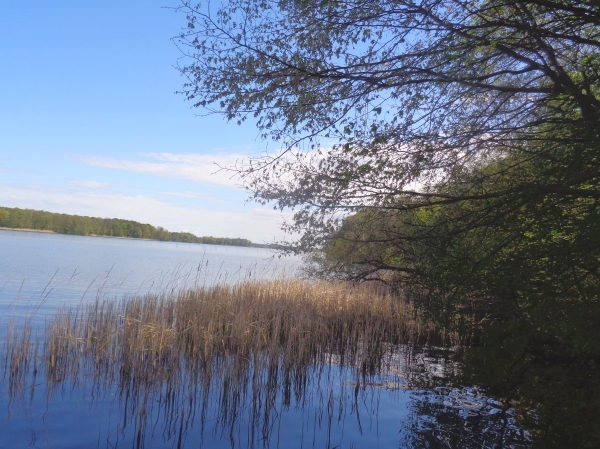
Space is the main attraction. Open water, reed margins and wooded stretches make this area feel removed from the traffic of central Berlin. Depending on your route, you may see pleasure boats, paddlers and birdlife. The quality of a visit depends on finding a suitable public access point and allowing enough time for the journey. It is a setting for observing a landscape, not a checklist of monuments.
Compared with Wannsee or Lake Tegel, Seddinsee may require more careful planning. That can be a strength if you want a quieter outing, but it can frustrate a visitor expecting a continuous lakeside promenade or a large beach immediately outside a train station.
Getting there by public transport
Berlin’s southeast is connected by combinations of S-Bahn, tram and bus, with the most useful route depending on which bank you choose. Schmöckwitz is a useful area to investigate for a Berlin-side outing; Gosen and surrounding Brandenburg locations have different connections. Enter a precise destination into BVG or VBB rather than relying on a generic “nearest station” claim. Services can be less frequent at the edge of the city, particularly later in the day.
Check your tariff zones before departing. A destination across the Berlin boundary can require ABC or another valid combination rather than the AB product you use in central Berlin. Note the last convenient connection home, especially if you combine walking and boating. A route with few transfers outward may have a different timetable on Sunday or during construction.
Cycling offers more flexibility if you are comfortable with a longer trip. Follow signed routes, respect pedestrian paths and plan where you can legally lock your bicycle. A car can reach some access points, but parking may be limited or governed by local rules; verify those details for the specific spot instead of treating the entire lake as one car park.
Walking and shoreline access
Do not assume there is a public path immediately beside every metre of water. Houses, marinas, private property, wetlands and protected habitat can interrupt a lakeside line on the map. Choose a marked public trail and keep to it, especially near reed beds. The best short walk may be around a chosen neighbourhood and its public shore access rather than an ambitious full circuit.
Ground conditions change with rain and season. Comfortable shoes are more useful than city sandals for woodland or unpaved sections. Carry water and check where you can actually buy food. A quiet shore is appealing precisely because facilities are sparse. Take litter away and keep noise low around residential and wildlife areas.
Boating and paddling
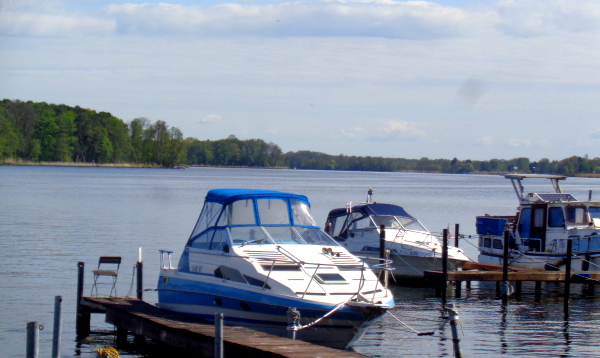
Seddinsee forms part of a navigable waterway landscape, so boats are a major part of its character. If renting a canoe, kayak or motorboat, choose an operator that serves your intended stretch and ask about route, return point, rental hours and required qualifications. Conditions on an open lake can change quickly when wind picks up. A short sheltered paddle is different from crossing broad water.
Observe marked channels, right-of-way rules and local restrictions. Give larger craft room, keep clear of swimming areas and avoid landing in reeds or on private jetties. Wear suitable flotation equipment and check the forecast. If you have no experience, a guided or supervised outing may be a more relaxed way to start. A general Berlin Spree sightseeing cruise normally explores the city centre; verify a tour’s map before assuming it goes all the way to Seddinsee.
Even on a calm day, set a return time. Paddling into a headwind after spending your energy on the outward journey is an unpleasant surprise. Keep your phone dry, tell someone your route and use designated launch sites. Local operator advice should take precedence over a static travel article.
Can you swim in Seddinsee?
Do not infer permission or water quality from a photograph of clear water. Identify a designated, publicly accessible bathing place and check official bathing-water reports, posted signs and any temporary warnings. A natural lake can have weeds, uneven ground, boat traffic and sudden changes in depth. Conditions differ between access points and across the season.
Children need close supervision, even in apparently shallow water. Avoid swimming near navigation routes, private moorings and reed-protected margins. If swimming is the central purpose of your day, compare established bathing facilities elsewhere in Berlin and choose one with the services you need. Seddinsee can still be an excellent waterfront outing without entering the water.
Nature and responsible visits
Reeds and shallows are important habitat. Observe birds from a distance, keep dogs under control in accordance with local signs and avoid shortcuts through vegetation. In spring and summer, nesting areas are especially sensitive. Respect any nature reserve boundary, seasonal closure or water-use restriction shown on site. A small change in route is preferable to damaging the shoreline.
Take binoculars if you enjoy birdwatching and allow patient time. An early outing may offer softer light and quieter paths; a late afternoon can be beautiful but requires attention to your return journey. This is not a guaranteed wildlife safari, and feeding birds is not a substitute for watching them in their habitat.
When to visit
Late spring through early autumn offers longer daylight for walking and water activities. Summer also brings more boats and demand at accessible banks. Autumn colour can be lovely around the wooded edges, while winter is atmospheric but calls for warmer clothing and a shorter daylight plan. Never assume ice is safe to walk on. Weather and local notices matter more than a fixed “best month.”
If you want a quiet outing, choose a weekday where possible. A weekend can be sociable around popular access points, but transport and food stops may operate on different schedules. Look up the current forecast on the morning of departure and reconsider a small-boat outing in strong wind or storms.
A realistic half-day plan
Pick one public access area before leaving your hotel. Travel there with a live route planner, take a modest walk or prebooked water activity and leave time for a café or picnic where permitted. Check the return journey before you lose mobile signal or battery. This sequence is more useful than trying to circumnavigate a complex lake without knowing the paths.
For a fuller day, combine the lake with another southeast Berlin destination, perhaps the Dahme waterway or Köpenick, while allowing for travel time between them. If you only have one free afternoon in central Berlin, a closer lake or riverside park may fit better. The farther journey is rewarding when you actually want the landscape.
Check exact routes before booking: central Spree cruises generally cover a different part of Berlin. The previous Spree-tour recommendation remains an option for a separate city day.
Where to stay
Most first-time visitors will find central or well-connected accommodation more convenient for Berlin’s museums and monuments, then make one deliberate trip southeast. If your priority is paddling or lakeside rest, compare stays near the actual launch or trailhead and check the evening transport. A district name alone does not establish walking distance to the shore.
Compare accommodation by your chosen lake access point and public transport time.
Understanding a working waterway
A lake on a navigable network is shared by different users. Motorboats, paddlers, anglers, residents and wildlife all occupy the area. A scenic view from a shore path does not imply freedom to launch anywhere. Check local signs, boating regulations and the terms of any rental. Public jetties, private moorings and protected reed beds serve different purposes.
The connected waterways can make a route look straightforward on a small map. On the water, wind, currents, larger vessels and navigation marks affect the trip. An inexperienced paddler should choose a short route suggested by a reputable local operator. Do not use a central Berlin tourist cruise schedule as a substitute for local water transport information.
What to bring for a shore day
Comfortable shoes, water, sun protection and a weather layer cover most walks. In wooded or grassy areas, check for ticks afterwards and use ordinary bite prevention. Binoculars can add interest without approaching nesting wildlife. If you are picnicking, bring a bag for rubbish and use designated places; open fires and camping are governed by local rules.
A downloaded map helps where reception is patchy, but it cannot override fences or nature-protection signs. Keep a power reserve for the return journey planner. For a family trip, choose a clear meeting point, toilet plan and turnaround time. Facilities are less predictable than beside a city-centre attraction.
Choosing between southeast lakes
Seddinsee rewards someone who wants a particular waterside environment and accepts the journey. A more accessible lakeside stroll may be possible at other Berlin waters, depending on where you start. Compare shore access, travel time and your intended activity, not only the lake’s appearance in photographs. A designated bathing site is a better choice for a swim; a marked trail better for walking.
If conditions are windy or a planned rental is unavailable, a nearby woodland or town walk can salvage the day. Keep your schedule flexible and confirm the last service home. This approach makes the lake an enjoyable destination rather than an attempt to force every activity into one visit.
A route for changing weather
If rain begins, an exposed shore or boat journey becomes less pleasant. Choose a shorter walk with a straightforward return stop and check whether local cafés are actually open. Thunderstorms are a reason to leave the water promptly. A flexible plan should include a safe alternative, especially when travelling with children or relying on infrequent buses.
In colder months, dress for wind by the water. Do not step onto ice even when a lake appears frozen; thickness is uneven and conditions can change. Photographs from public trails provide a good winter visit without taking that risk.
Respect anglers and other shore users by leaving room at narrow access points. If you travel with a dog, check the rules and carry water for it too. A peaceful lakeside experience depends on sharing small public spaces thoughtfully.
Frequently asked questions
Is Seddinsee in central Berlin?
No. It lies at the far southeast edge of the city and near Brandenburg.
Can I walk around the entire lake?
Do not count on a continuous public shore path. Plan a specific marked walk and respect private or protected banks.
Does a Berlin city cruise visit Seddinsee?
Usually a central sightseeing route does not. Check each operator’s precise itinerary.