 Posted by
Volkspark Friedrichshain is a large historic park northeast of Alexanderplatz. Its Märchenbrunnen fairy-tale fountain, tree-lined paths, lawns and hills make it a varied green break from city sightseeing. The park also contains reminders of Berlin’s nineteenth-century design and postwar rebuilding. This guide explains the main features, practical routes and how to include a visit without expecting a single museum-style entrance.
- Location: between Friedrichshain and Prenzlauer Berg, northeast of Alexanderplatz.
- Highlights: Märchenbrunnen, lawns, wooded paths and rubble hills.
- Park admission: free; cinema or events may have separate tickets.
- Allow: one to two hours for a circuit, longer with sport or picnic.
- Use a map to choose an entrance near the feature you want.
Why visit the park?
Volkspark Friedrichshain offers more variety than a simple lawn. The ornate fairy-tale fountain gives a formal entrance experience, while paths lead to wooded slopes and open recreational areas. Locals use it for running, games and breaks. Visitors can combine a short walk here with nearby streets instead of travelling to an outer Berlin forest. It has a different character from Tiergarten and the Sunday market focus of Mauerpark.
The park dates to the nineteenth century and is among Berlin’s older major public parks. After the Second World War, rubble from destroyed buildings was deposited and landscaped into hills. Those rises make parts of the park feel more varied than flat central squares. The story is worth remembering as you walk: even a pleasant green hill can contain evidence of the city’s destruction and rebuilding.
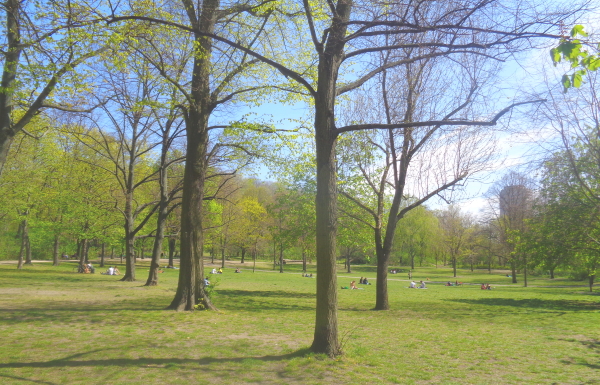
The Märchenbrunnen
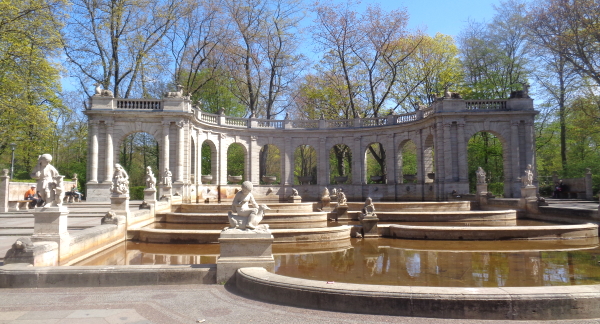
The Märchenbrunnen, or Fairy-Tale Fountain, is the best-known sight. Sculptures inspired by fairy-tale figures frame an elaborate water feature and formal setting. It was completed before the First World War and remains a memorable entry point for children and adults. Water operation may be seasonal or affected by maintenance; the sculptural layout can still be enjoyed when the basins are dry.
Take a slow circuit around the fountain to notice different figures and details. Families can let children identify characters, while adults may be interested in the design and the era that produced it. Do not climb onto sculptures or enter the basins for photographs. The area can be busy, especially in warm weather, so step aside to allow others to look.
Rubble hills and postwar history
After 1945, rubble was brought to the park and later landscaped into hills. Paths now cross slopes that may seem natural to a visitor unaware of their origin. Berlin has several such postwar rubble mounds, which show how the city reused enormous quantities of debris. Here they have become places for a short climb, exercise and views through the trees.
The hills are not mountain trails, but the paths can be steeper and uneven compared with the lower park. After rain, take care with footing. A small rise is enough to change the sound and view of the surrounding city. If you have limited mobility, enjoy the lower lawns and fountain; reaching the hilltop is optional.
Lawns, sport and everyday life
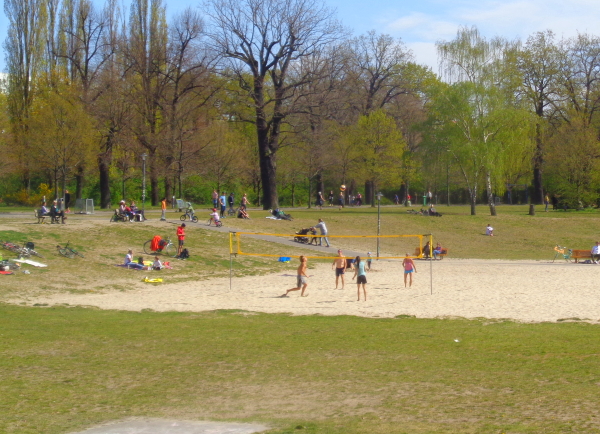
Open lawns are used for picnics and informal games where permitted. Paths attract walkers and runners, and seasonal sport areas may be available. Follow signs about cycling, dogs and protected grass. A city park is shared space: leave a clear route for other users and carry litter away. A relaxed park visit does not need a fixed itinerary or fee.
Bring a light picnic if you want to stay longer, but check barbecue rules separately; they are not the same as rules for eating a sandwich. Trees provide shade, while more open spaces can be hot in summer. For children, plan a playground or a short activity rather than expecting them to enjoy a two-hour historical tour of the paths.
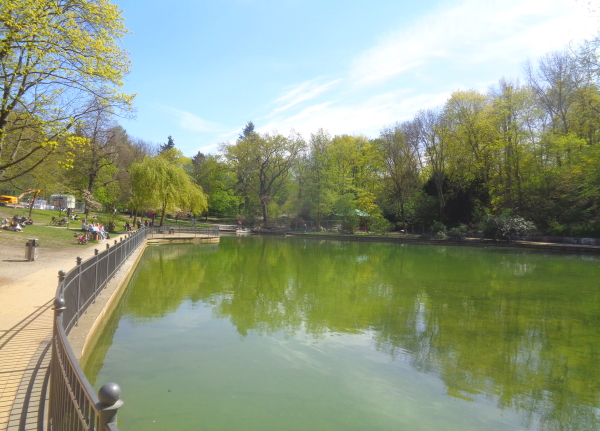
Open-air cinema and seasonal events
Summer open-air cinema has been a popular reason to visit. Programmes, tickets, language and dates vary by season. Check the current operator schedule and weather policy before travelling. A film evening requires a different plan from a casual afternoon walk: know the entrance, bring a layer for cooler night air and arrange a route home after the screening.
Other events can also temporarily change access or atmosphere in parts of the park. If you want a quiet walk, a weekday morning may be better than a major summer evening. If you want a particular event, reserve it through the organiser rather than assuming a public park means free admission to every programme.
How to get there
The park has several edges and entrances. Tram and bus stops around the perimeter can be more useful than a distant U-Bahn station. Set the Märchenbrunnen or a specific entrance in your route planner. From Alexanderplatz, the park is accessible by public transport or a longer walk depending on your energy. If you are coming from Hauptbahnhof, allow time for a transfer.
Arriving on foot from nearby neighbourhoods can be pleasant, but the park is large enough that entering at the wrong end adds a walk. A bicycle may be useful for a wider district trip, while crowded park paths require caution and compliance with posted rules. A car is seldom necessary for a simple visit.
A suggested one-hour route
Start at the Märchenbrunnen and spend a few minutes with the sculptures. Follow a main path into the greener interior, choose either a gentle lawn circuit or a climb towards a rubble hill, and return by another public path. This gives you the contrast between formal fountain and landscape without trying to inspect every corner. Add a picnic and playground for a longer family visit.
If you want a broader day, continue to Hackescher Markt or another neighbourhood by tram. The East Side Gallery lies in Friedrichshain but is not immediately next to this park; check the journey rather than assuming shared district names imply a short walk. An afternoon around the park can be satisfying on its own.
When to visit
Spring brings blossoms and fresh leaves; summer supports picnics and cinema; autumn offers tree colour; winter gives a quieter walk and clearer views through bare branches. Paths can be muddy or icy, so footwear matters outside dry weather. The fountain may operate only during part of the year. Do not travel solely for flowing water without checking recent information.
For photographs, morning can provide space at the fountain, while late-day light can be attractive over lawns. The park is not an observation deck with a guaranteed city panorama. Its appeal is in moving between different spaces and watching daily life.
Accessibility and safety
Main paths may be easier to use than smaller hill tracks, but surfaces and temporary works vary. Visitors who need step-free access should choose an entrance and route in advance. Families should stay attentive around water and sport areas. In the evening, stick to well-used routes and plan transport from the appropriate park edge. Ordinary city-park awareness is sufficient for most daylight visits.
If the park is crowded, choose a quieter lawn or return another day. Keep bicycles and running games away from people sitting on the grass. The space works well because many different users can share it; basic consideration helps maintain that balance.
The park is free to explore. For a separate guided city activity, check its route and meeting point.
Browse Berlin activities · See the existing Spree cruise offer
Comparing Berlin parks
For a central green break near national monuments, choose Tiergarten. For a compact hill and artificial waterfall, choose Viktoriapark. For a Sunday market atmosphere, Mauerpark is different again. Volkspark Friedrichshain stands out for the Fairy-Tale Fountain and its blend of older landscaping with postwar hills. Our Berlin parks overview helps choose by location and interest.
None of these parks must be visited in a single trip. If your hotel is near this park, repeated short walks at different times can reveal more than a rushed tour across four distant green spaces.
Check transport to your other sights when choosing a hotel near the park. A tram or rail stop may matter more than distance to one entrance.
Why the park matters to the neighbourhood
Volkspark Friedrichshain is a place residents use repeatedly, not only a monument for visitors. Paths support a quick walk, lawns invite a longer pause and play areas bring families at different times of day. The atmosphere therefore changes with the weather, school calendar and weekend. Enjoy it as an everyday Berlin space and give local users room.
The historic design and later changes also show how a park accumulates layers. The ornamental fountain and the wooded hills create contrasting settings within one area. You can experience both without a rigid route: first look at the architecture and sculpture, then move into the paths and open green space. Avoid entering planted beds for a closer photograph.
Photography without rushing
The Märchenbrunnen is a natural photo subject, but its details reward a closer look than one wide shot. Walk around the public side to see changes in light and perspective. The fountain’s appearance can vary with water operation, restoration or winter protection. Do not promise yourself a particular scene based on a summer picture found online.
In the leafy parts, photograph paths and canopy from established routes. Early or late daylight can be softer, though the park may be busy in pleasant weather. Respect families and individuals when taking pictures. A quiet bench break can be a better way to remember the place than collecting many near-identical images.
Food, breaks and a longer outing
Check nearby cafés or bring a modest picnic, then dispose of all litter responsibly. Toilets and refreshments may not be available exactly where you stop, so locate facilities before starting a long walk with children. A blanket is useful on lawns where sitting is permitted; pay attention to signs protecting newly planted or restored areas.
To extend the day, choose another nearby neighbourhood stop rather than crossing Berlin simply to add another park. The route from your accommodation may combine a tram and a short walk. Ask a live planner for the best entrance, not just the park’s central map pin. This is especially helpful if you need a step-free arrival or want to minimise the distance with a pram.
Making the visit your own
Choose one goal: a fountain photograph, a gentle family break, a short run or a longer woodland walk. Each uses the park differently and suggests another entrance. If you have limited time, the main ornamental area and a nearby path provide a compact introduction. If you have an afternoon, allow unplanned turns instead of treating a park map as a strict itinerary.
After rain, some paths may be slippery. In summer, carry water and take a shaded pause. Any event, maintenance or construction notice on site should guide your route. The pleasure here comes from the mix of local life and landscape rather than completing a list of every feature.
One pleasant extension is to compare this park with another Berlin green space on a different day. Tiergarten is larger and more central, while Mauerpark has a different weekend atmosphere. The comparison reveals how each neighbourhood uses its open space. Friedrichshain’s fountain, wooded paths and local routines reward a visit on their own terms, without turning the day into a race between parks.
If you arrive in the evening, consider how much daylight remains and check your return route. The park can be appealing at different hours, but a first-time visitor will find details and paths easier to appreciate in daylight.
Frequently asked questions
Is Volkspark Friedrichshain free?
Yes. Public park paths are free; ticketed events such as open-air cinema are separate.
Is the fountain always running?
No. Water operation depends on season and maintenance.
Are the hills natural?
The postwar rubble hills were landscaped after debris was deposited in the park.
How much time should I allow?
One to two hours for a relaxed route, longer with a picnic, sport or film.